
01 · Welfare
Respect the animal before designing the system.
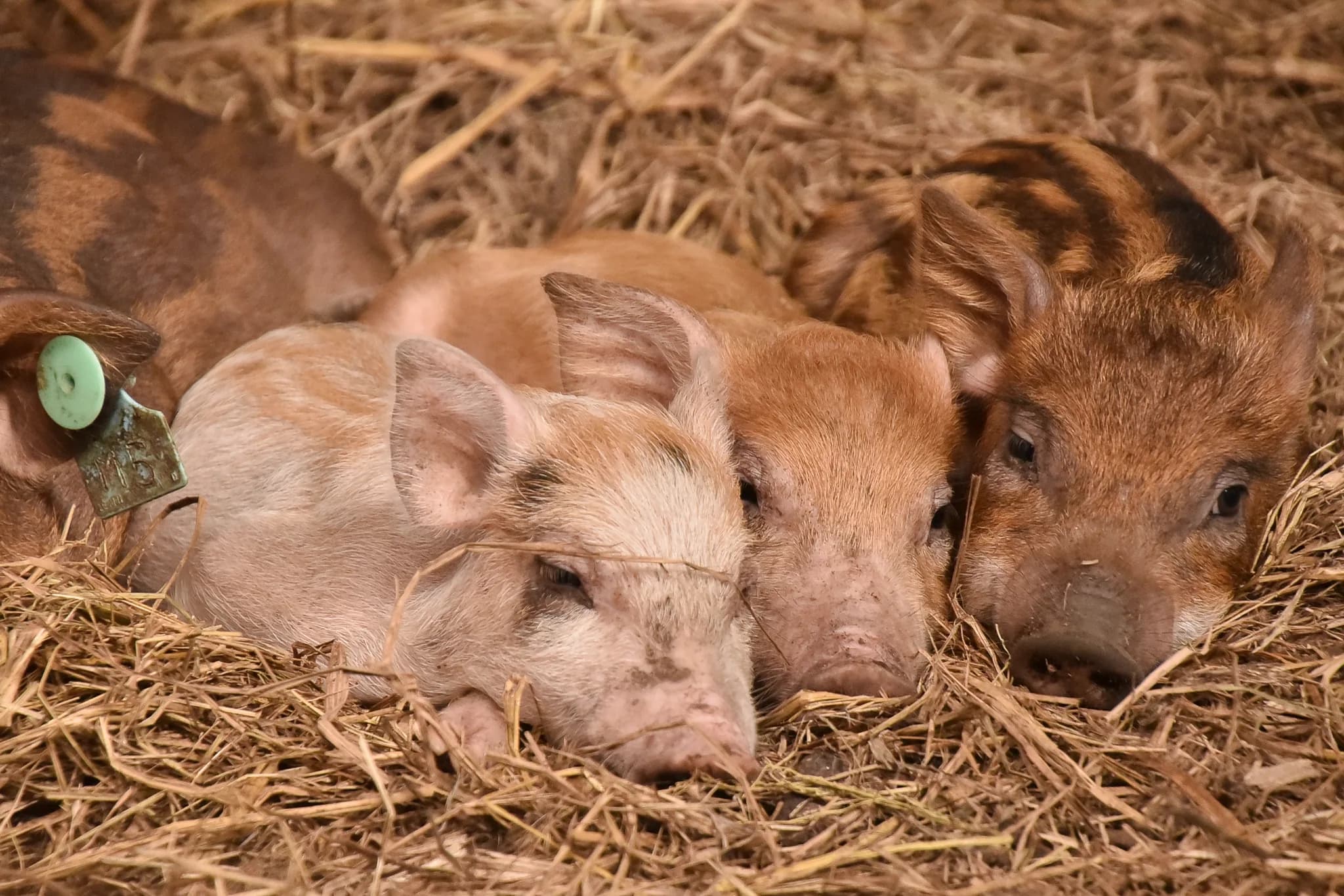
Natural Farming livestock systems aim for low-input care while respecting core behavioral needs. Pigs root and wallow; chickens scratch, perch and dust-bathe. Space, shade, clean water, dry resting areas and daily observation are foundational.
Low input never means low responsibility. Stocking density, nutrition, vaccination, disease control and veterinary care must fit the species, climate and local law.
01
Behavior
Make room for movement, foraging and rest.
02
Climate
Use airflow, shade and sunlight deliberately.
03
Observation
Read appetite, posture, manure, sound and social behavior.
02 · Housing
A building that breathes with the climate.
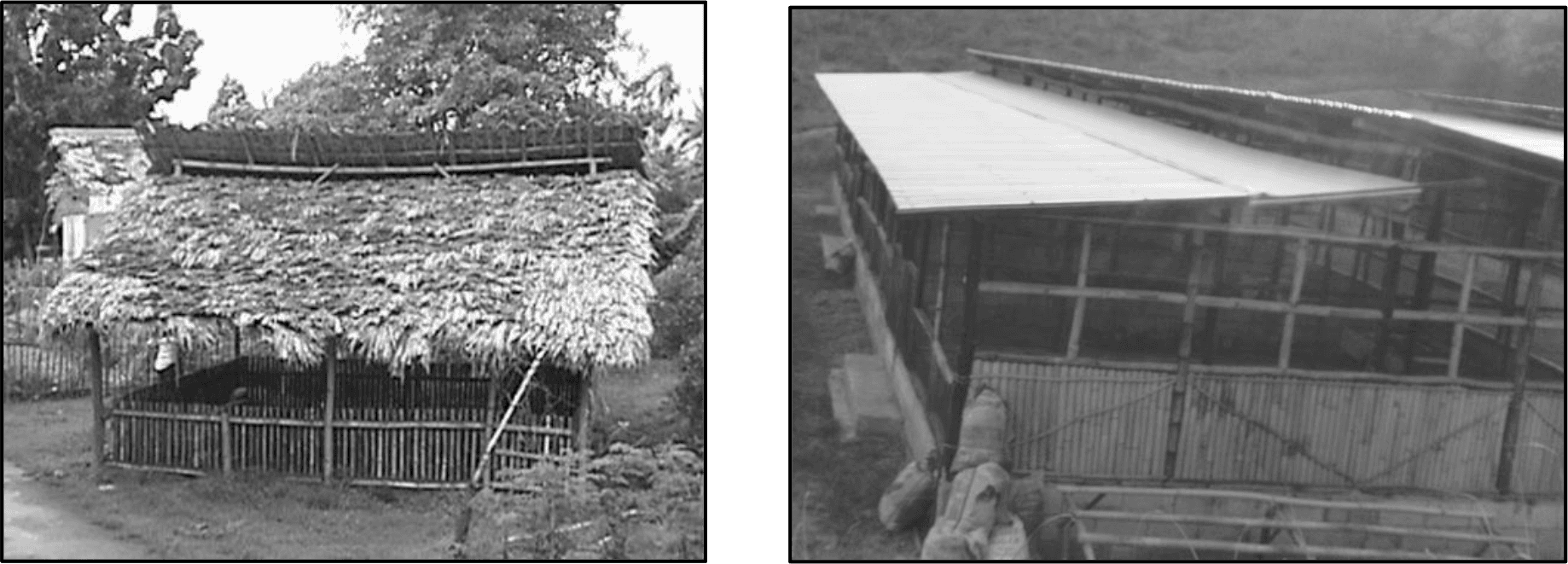
Legacy pig and chicken designs use an east–west building length, a high offset roof and open sides to move hot, moist air upward while sunlight reaches the floor. The site should be open to wind, free from flooding and practical to access.
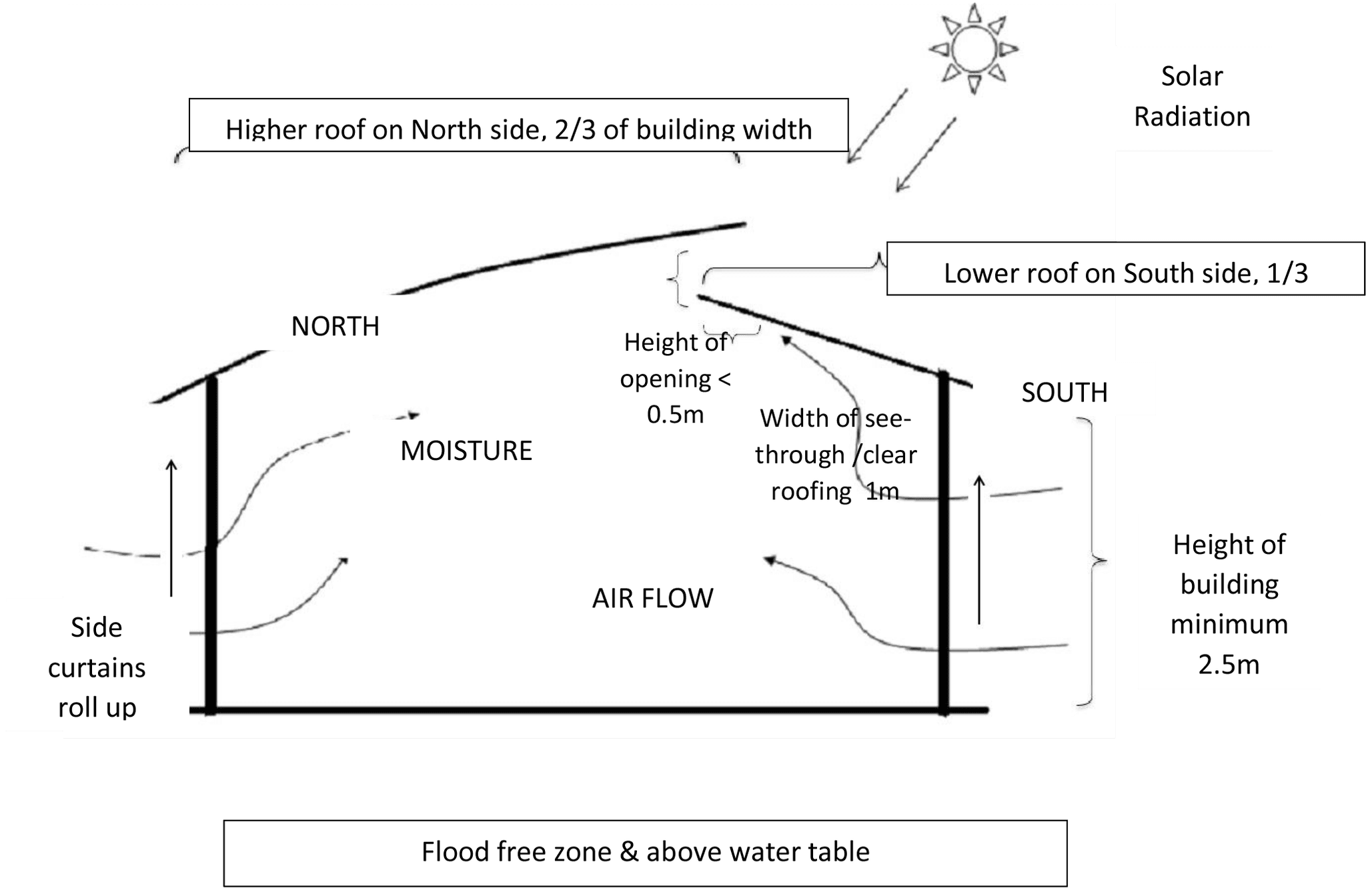
- Roof overlap protects the bedding from rain while leaving a high outlet for hot air.
- Open or curtained sides allow seasonal control without blocking ventilation.
- Local bamboo, timber, masonry or steel may be used only where structurally safe.
03 · Deep bedding
The floor is managed as a living layer.
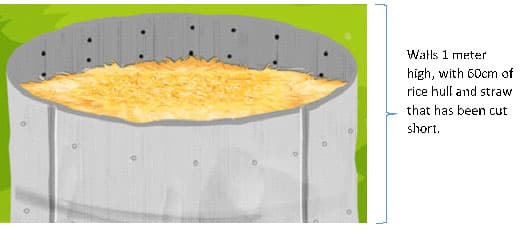
The legacy pig system describes a deep layer with coarse woody material below and finer carbon-rich material, soil, salt and microbial preparations above. Chickens use a shallower dirt-and-chopped-straw floor. The goals are a dry surface, biological breakdown and room for natural behavior.
Bedding is not maintenance-free. Moisture, odor, compaction, pests and animal comfort must be monitored. Add dry carbon material and correct ventilation when conditions change; seek professional guidance for persistent problems.
| Observe | Desired condition | Response |
|---|---|---|
| Moisture | Tidy, friable surface without wet patches | Check leaks, airflow and carbon balance |
| Odor | Earthy rather than sharp ammonia | Reduce loading pressure and correct wet zones |
| Behavior | Animals rest and forage comfortably | Investigate heat, injury, pests and footing |
04 · Pigs
Transition feed and care by life stage.
Legacy material covers selecting healthy piglets, estimating weight, gradual feed transition, growth-stage rations, breeding, farrowing and weaning. The most durable principle is to change feed slowly and observe every animal.
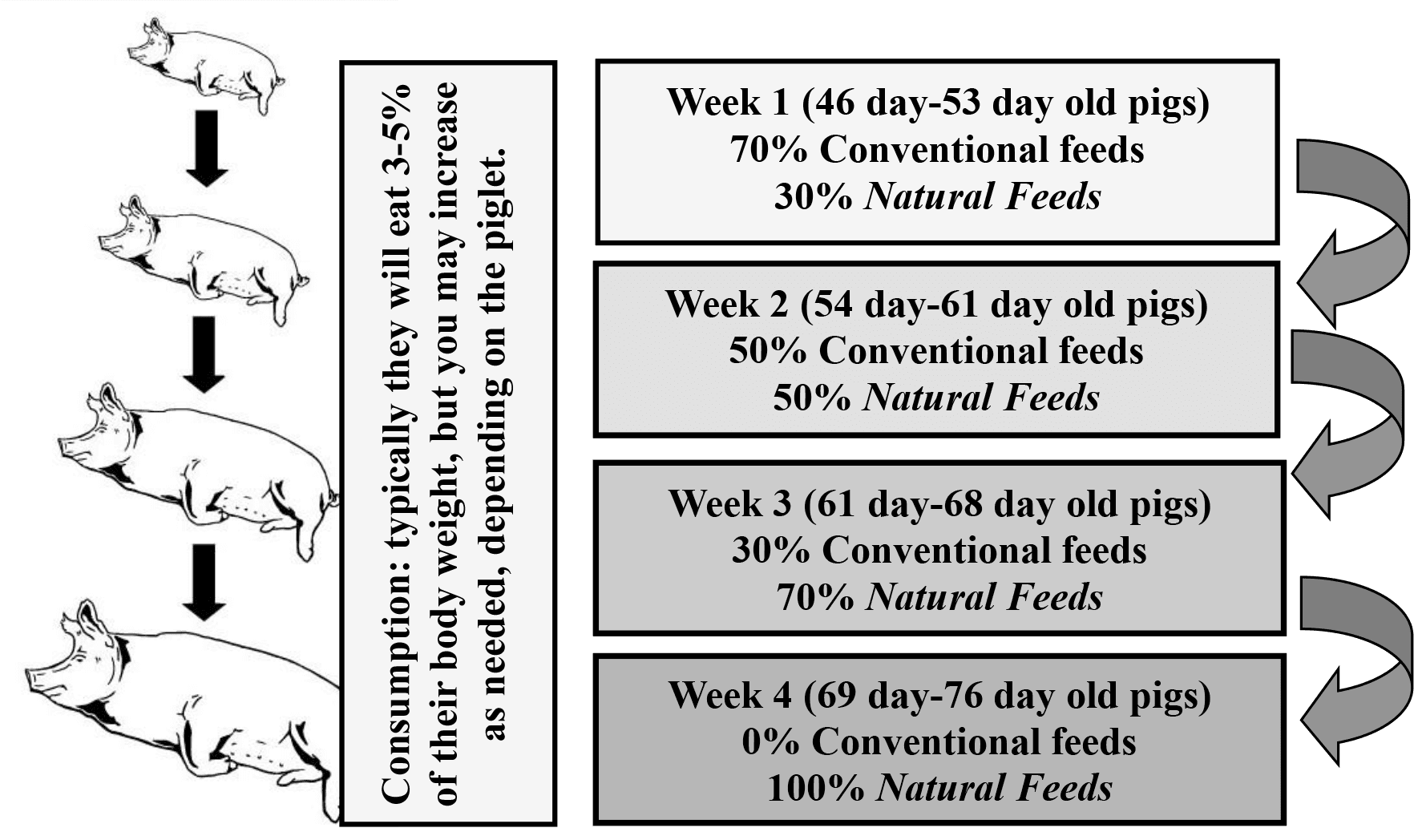
Six stages in the legacy nutritive cycle
- Weaned piglets
- Growers
- Gilts before pregnancy
- Gestating sows
- Lactating sows
- Sows returning to mating
Weight-estimation reference
Measure heart girth and body length in metres. The legacy formula is: heart girth × heart girth × body length × 69.3. Treat this only as an estimate and verify with current husbandry guidance.
05 · Chickens
Dry footing, fresh air and room to scratch.
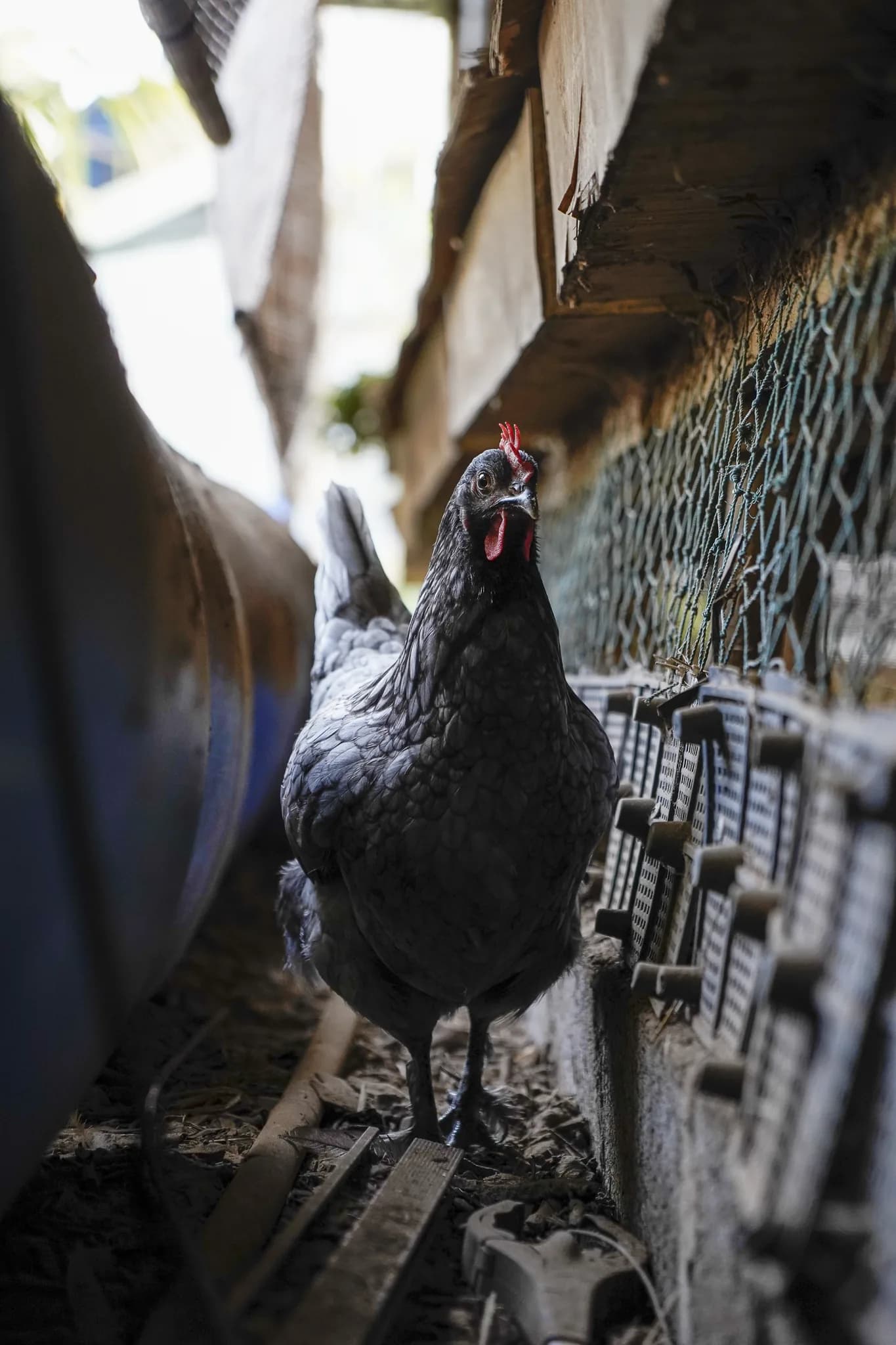
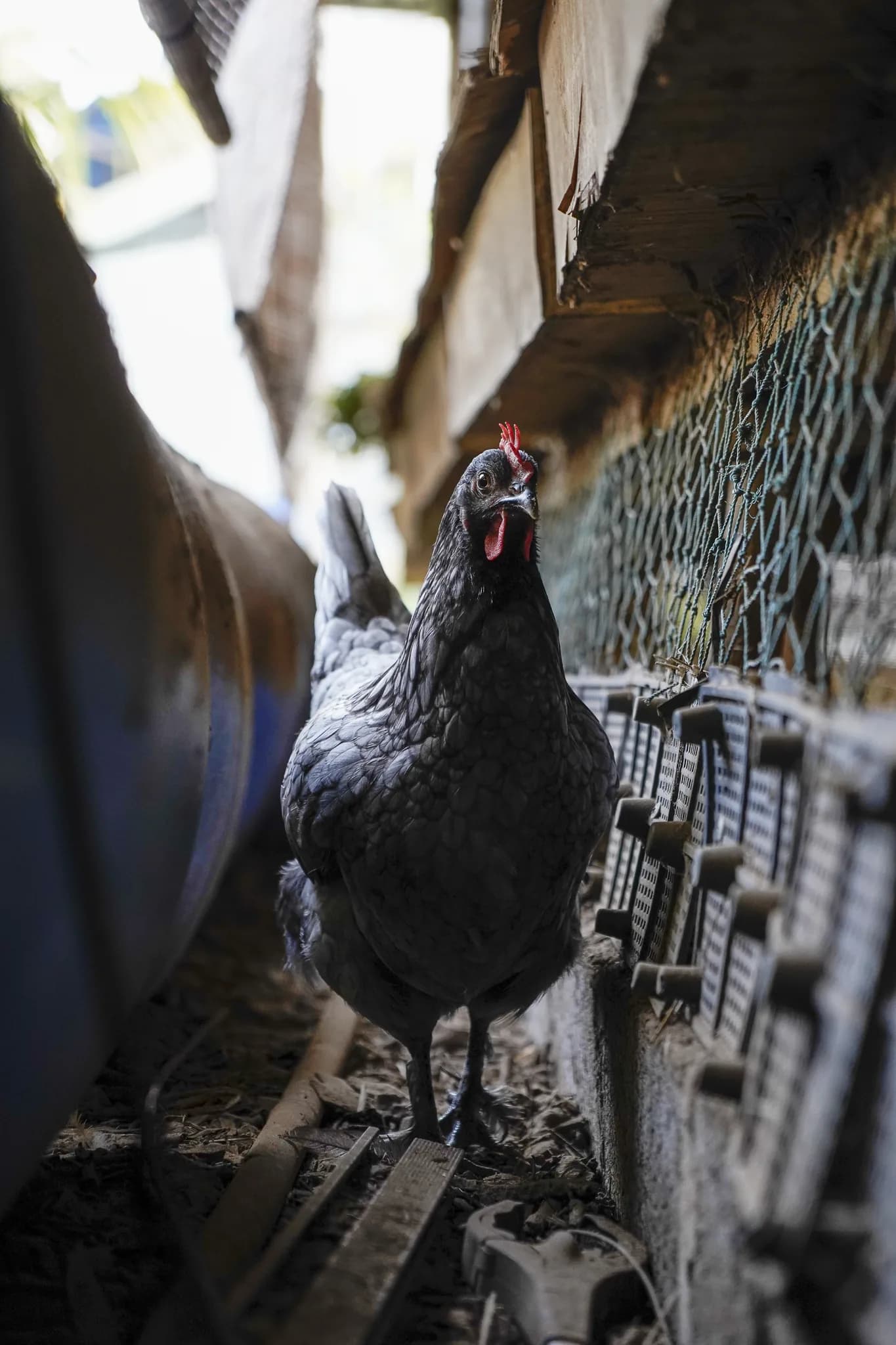
The chicken knowledge covers house design, straw bedding, purchasing chicks, a rounded brooder crib, feeds, water, perches and nesting. Chicks need protection from drafts, predators, mosquitoes and temperature stress.
Legacy guidance uses body heat and composting warmth in a rounded brooder rather than corners where chicks can pile up. Temperature and chick behavior still require active monitoring.
| Element | Natural Farming Vietnam | Management question |
|---|---|---|
| Housing | Ventilated shelter with outdoor access where safe | Are birds dry, shaded and protected? |
| Floor | Dirt and chopped straw managed for dryness | Is ammonia or compaction developing? |
| Brooder | Rounded, protected and sized for movement | Are chicks evenly distributed and active? |
06 · Responsibility
Prevention begins with observation—not omission.
Animal health boundary
Natural Farming does not replace veterinary diagnosis, vaccination programs, biosecurity, balanced nutrition or legal welfare requirements. Isolate concerning symptoms, document changes and contact a veterinarian promptly.
- Check appetite, water intake, manure, breathing, gait, skin and social behavior daily.
- Keep feed changes gradual and water clean and continuously available.
- Maintain records for lineage, treatment, mortality and production decisions.